
ISTANBUL, TR / ACCESS Newswire / April 1, 2026 / Stem cell therapy has transformed the treatment landscape for several serious conditions, including blood disorders such as sickle cell disease. While the procedure itself is a critical milestone, the recovery and follow-up phase is equally important for ensuring long-term success. At Liv Hospital, a structured and patient-focused recovery plan helps individuals transition safely from treatment to daily life.
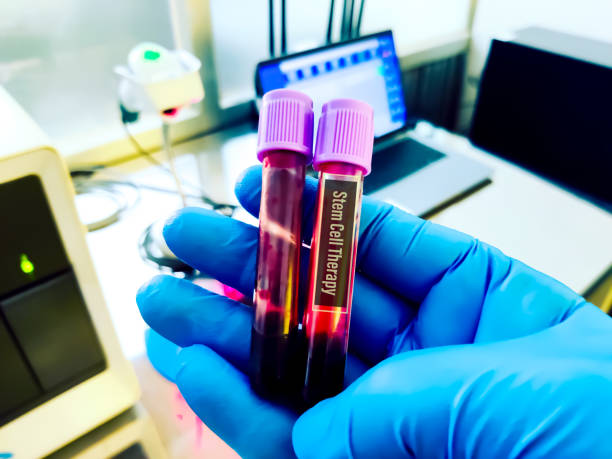
Understanding STEM CELL Recovery and Follow-Up
Recovery after stem cell treatment is a gradual process that requires close medical supervision. The body needs time to adapt as new stem cells begin producing healthy blood cells. During this period, patients may experience temporary side effects and increased vulnerability to infections.
A comprehensive guide to STEM CELL Recovery and Follow-up highlights how monitoring, supportive care, and regular assessments are essential components of post-treatment care.
Key Phases of Recovery
Recovery typically progresses through several stages, each requiring specific care strategies:
1. Immediate Post-Transplant Phase
This phase occurs in the first few weeks after the procedure. Patients are closely monitored in a controlled environment to prevent infections and manage complications. Blood counts are regularly checked to assess how well the transplanted stem cells are functioning.
2. Early Recovery Period
As the immune system begins to rebuild, patients may start regaining strength. However, precautions remain necessary. Doctors may prescribe medications to prevent infections and support immune recovery.
3. Long-Term Recovery
Full recovery can take several months to a year. During this stage, patients gradually return to normal activities while continuing with scheduled follow-up visits to monitor overall health and detect any late complications.
Importance of Regular Follow-Up
Follow-up care plays a critical role in ensuring the success of stem cell treatment. Regular medical evaluations allow healthcare providers to:
-
Monitor blood cell production and immune system recovery
-
Detect and manage complications early
-
Adjust medications based on patient progress
-
Provide guidance on lifestyle and activity levels
At Liv Hospital, follow-up plans are personalized based on each patient’s condition and response to treatment, ensuring a tailored approach to recovery.
Managing Potential Complications
While many patients recover successfully, some may experience complications that require medical attention. These can include infections, graft-versus-host disease (in allogeneic transplants), or delayed immune recovery. Early detection through routine follow-ups significantly improves the ability to manage these issues effectively.
Patients are encouraged to report any unusual symptoms promptly and adhere strictly to medical advice during the recovery period.
Supporting Recovery Through Daily Care
In addition to medical supervision, patients can take several steps to support their recovery:
-
Maintaining a balanced and nutritious diet
-
Following hygiene practices to reduce infection risk
-
Avoiding crowded places during early recovery
-
Staying physically active within recommended limits
-
Attending all scheduled follow-up appointments
These practices contribute to a smoother recovery and help rebuild strength over time.
A Holistic Approach to Post-Treatment Wellness
Recovery is not only physical but also emotional and mental. Adjusting to life after treatment can be challenging, and maintaining a balanced lifestyle plays a vital role in overall well-being. Alongside medical care, patients can explore additional wellness resources and lifestyle guidance through platforms like live and feel, which offer insights into healthy living and recovery support.
Company Details
Company name: Liv Hospital
Email: int@livhospital.com
SOURCE: Liv Hospital
View the original press release on ACCESS Newswire
