

Epoxy vs Polyurea Concrete Coatings: 4 Simple Tests That Show What Holds Up Over Time (AmVet’s Take)
Rockledge, United States – January 26, 2026 / AmVet Concrete Coatings, LLC /
AmVet Concrete Coatings compares inexpensive epoxy, common polyurea, and Penntek’s pure polyurea using four practical performance categories: impact resistance, stretch and flexibility, stains and spills, and UV stability. The blog’s point is that many coatings can look great in photos on day one, but the real difference shows up once the surface faces everyday life—foot traffic, dropped tools, weather, spills, and constant sunlight. AmVet frames its approach around what customers actually care about: will it hold up, will it flex with concrete, will it clean up easily, and will it yellow over time?
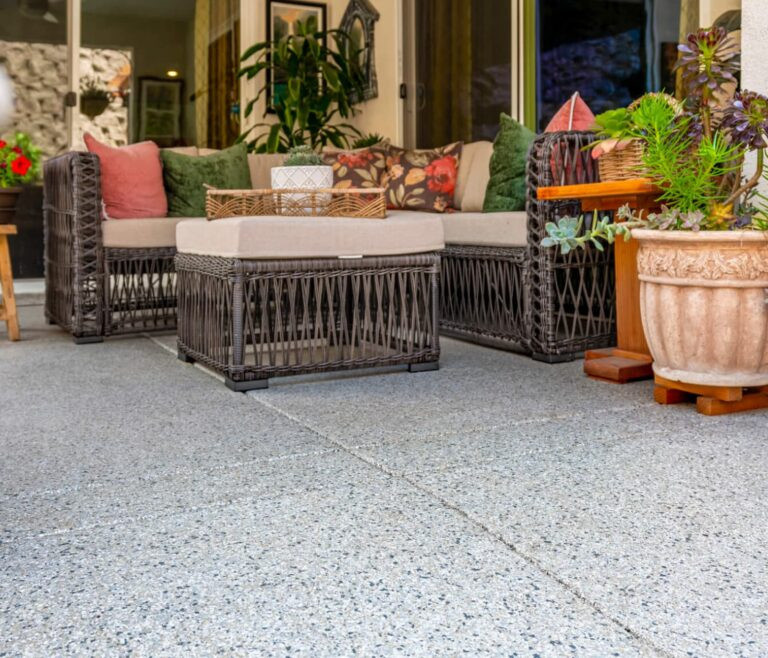
In the impact resistance discussion, AmVet states that epoxy floors are inexpensive and widely available, but their impact resistance is quite low. Because impacts affect long-term adhesion and visible wear, AmVet recommends Penntek’s polyaspartic polyurea coatings for people who want a higher-impact, more durable solution.
Flexibility is presented as essential because concrete moves, especially on many residential floating slabs designed to flex with the shifting ground. A coating that can stretch and rebound is less likely to chip, peel, or fail when it’s hit, making “stretch and flexibility” a real-world performance issue rather than a marketing detail.
For stains and spills, the blog emphasizes chemical resistance and everyday cleanability. With Penntek’s pure polyurea, AmVet says cleanup can be simple, even for tougher messes—often requiring only a towel and a general-purpose cleaner.
UV stability is highlighted as a major deciding factor in Florida. The blog notes that epoxy will yellow over time and that UV light can cause both common polyurea and epoxy to yellow or amber. Penntek’s polyurea, by contrast, is described as being designed to withstand UV exposure, which is especially relevant for outdoor concrete like pool decks, patios, and driveways.
The post also includes background on AmVet’s leadership and outlines their residential, commercial, and industrial coating applications, along with service coverage across Brevard County and Indian River County. Overall, the message is to choose a coating based on the reality of your space, not just the initial shine.
Contact Information:
AmVet Concrete Coatings, LLC
532 International Pl
Rockledge, FL 32955
United States
Mark Huseman
(321) 735-8655
https://amvetcc.com/


Original Source: https://amvetcc.com/epoxy-vs-polyurea-concrete-coatings-4-simple-tests-that-show-what-holds-up-over-time-amvets-take/
